Country: United States
Location: Clearwater, Florida
We were up in Durham, North Carolina when the news started rolling in. Friends had graciously put us up, the kids were happy, and the worst thing on my plate was figuring out where to grab dinner. Meanwhile, back home, the Gulf was doing its worst to the place we actually live.
Two storms, back to back. Helene came first in late September, the strongest storm to hit Pinellas County in eighty years. Then Milton followed on October 9th. Between them they buried Clearwater Beach under feet of sand, knocked out power to more than 400,000 people in the county, and put whole neighborhoods underwater. Over 500 people had to be rescued from a single flooded apartment complex right here in town.
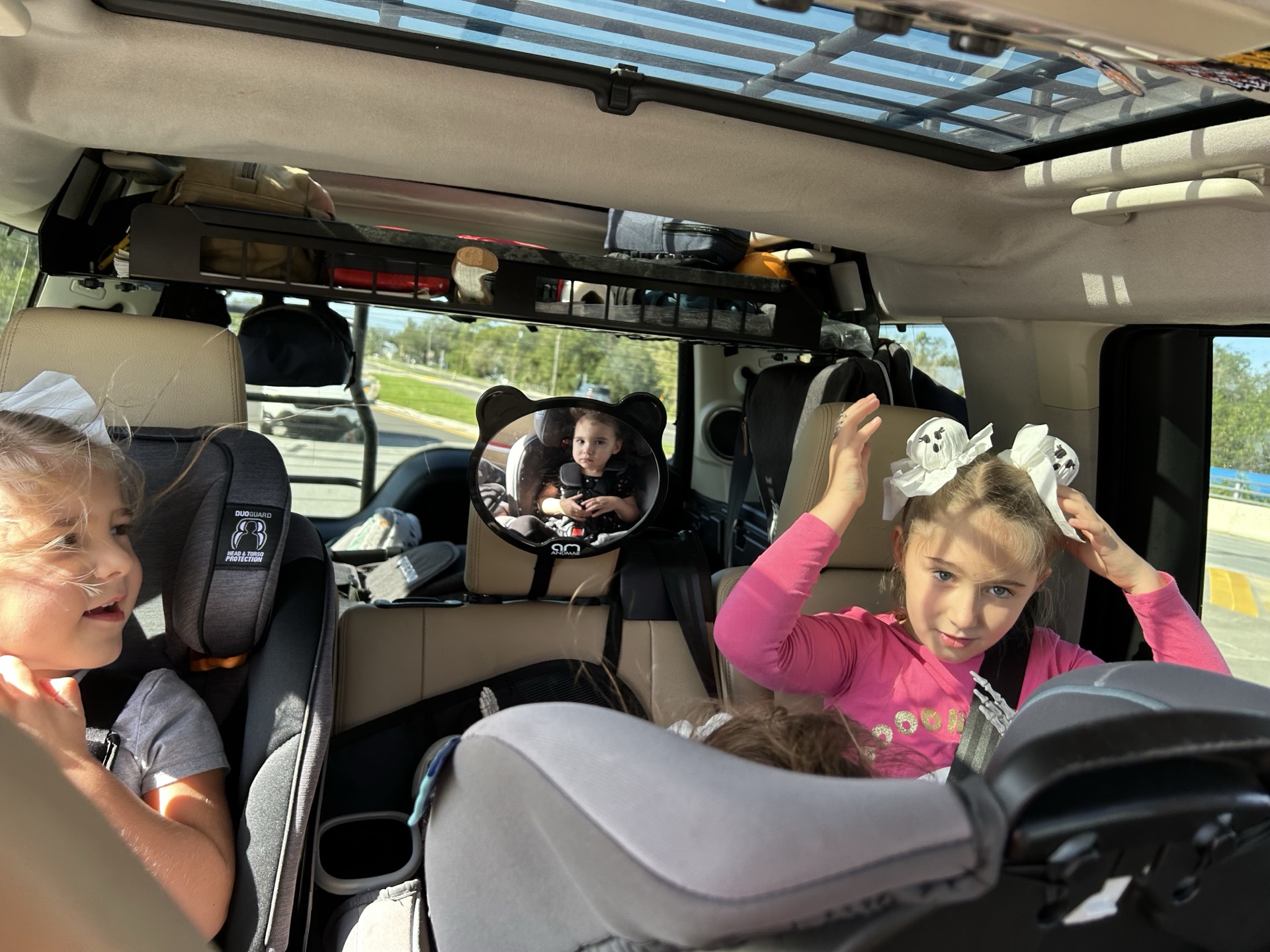
I kept refreshing my phone from seven hundred miles away, and I’ll be honest, our trip felt almost unfair. The kids were climbing trees and we were laughing at giant Halloween skeletons, while people I love were watching the water come up their walls.
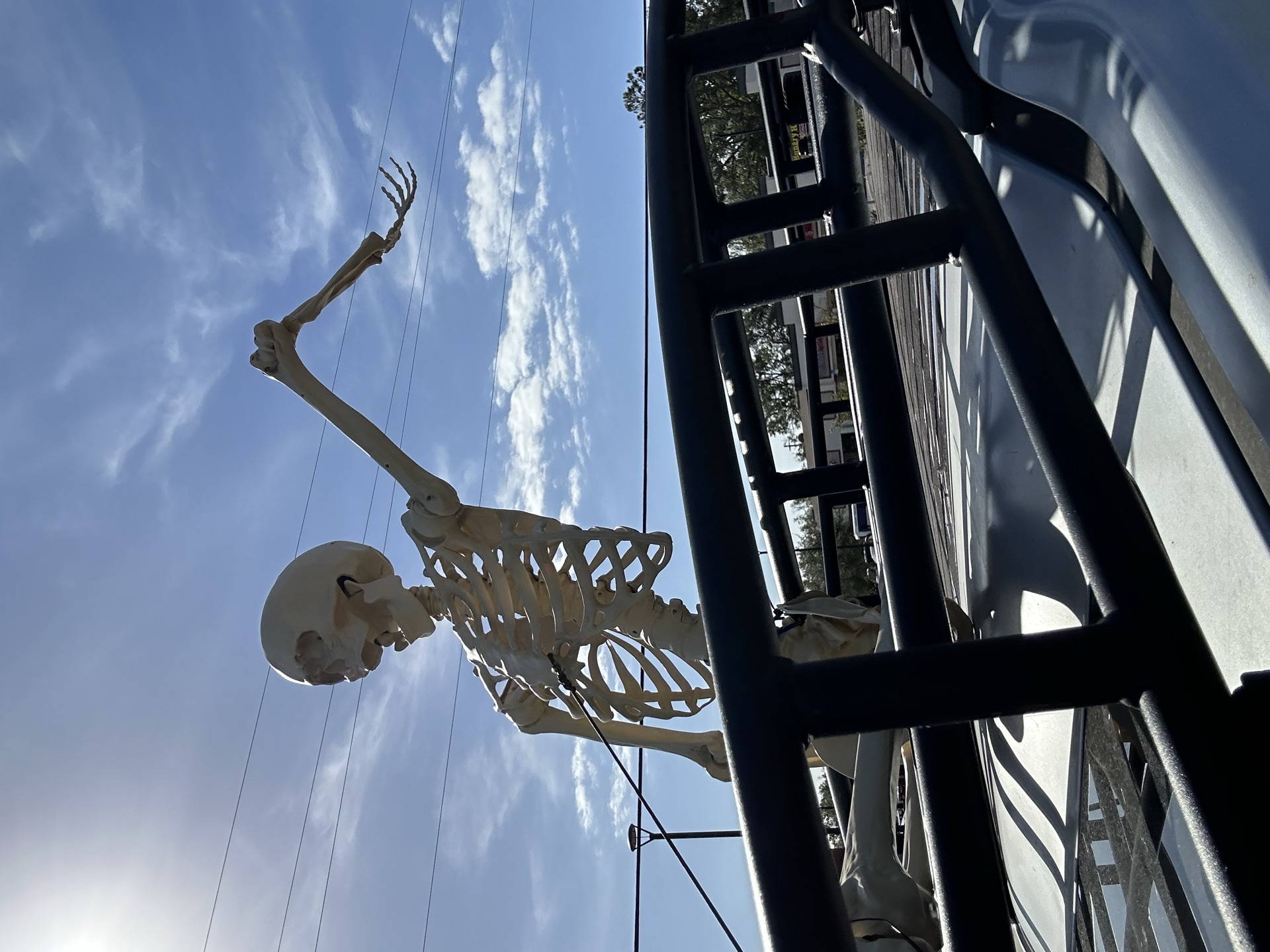
We got lucky. Both of our houses came through without a scratch. A lot of my friends weren’t so lucky. Some lost everything on the first floor, and some still aren’t back to normal.
So when we finally rolled back into town, I didn’t really unpack. I went straight into disaster response.
Coming home to a war zone
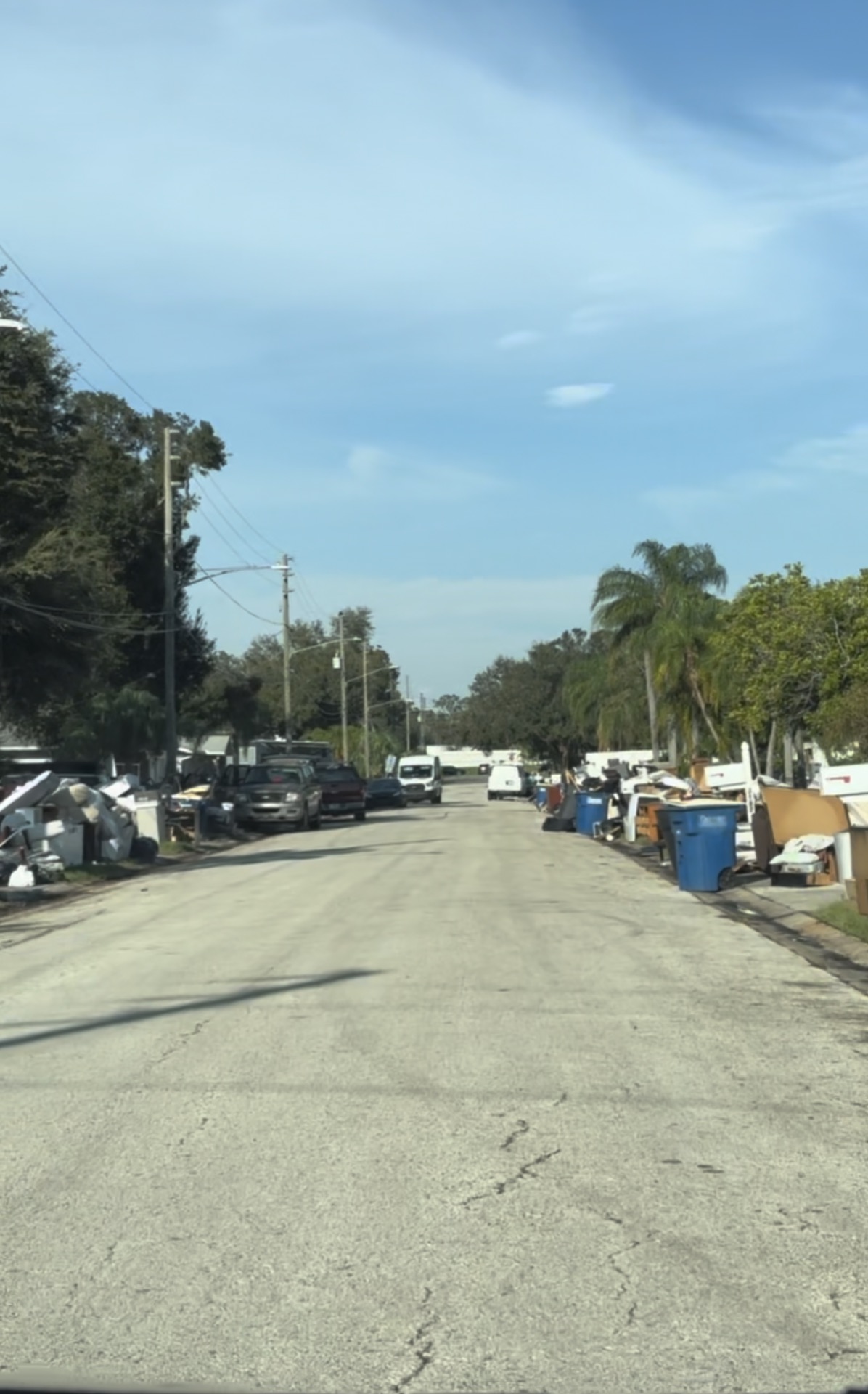
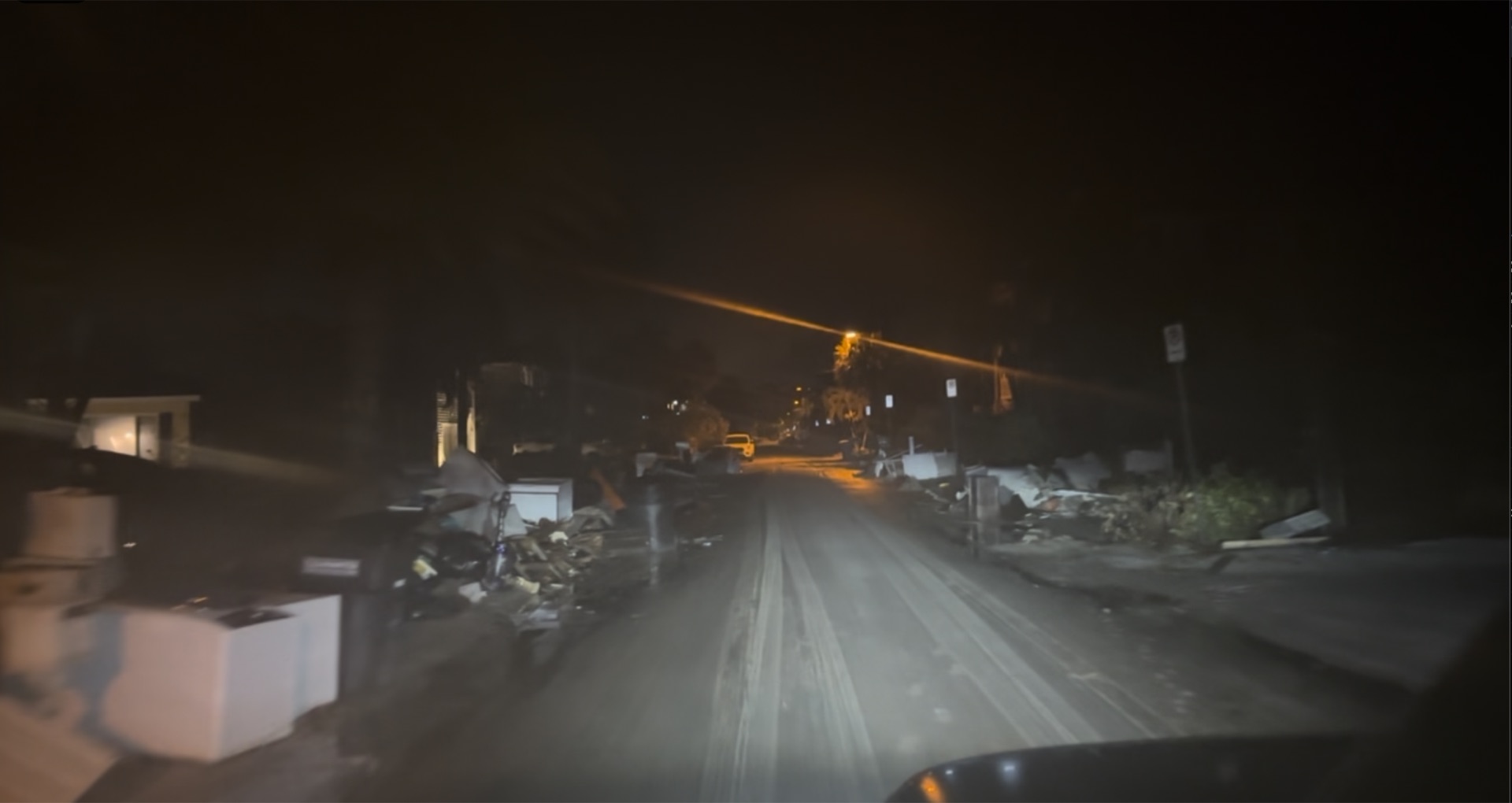
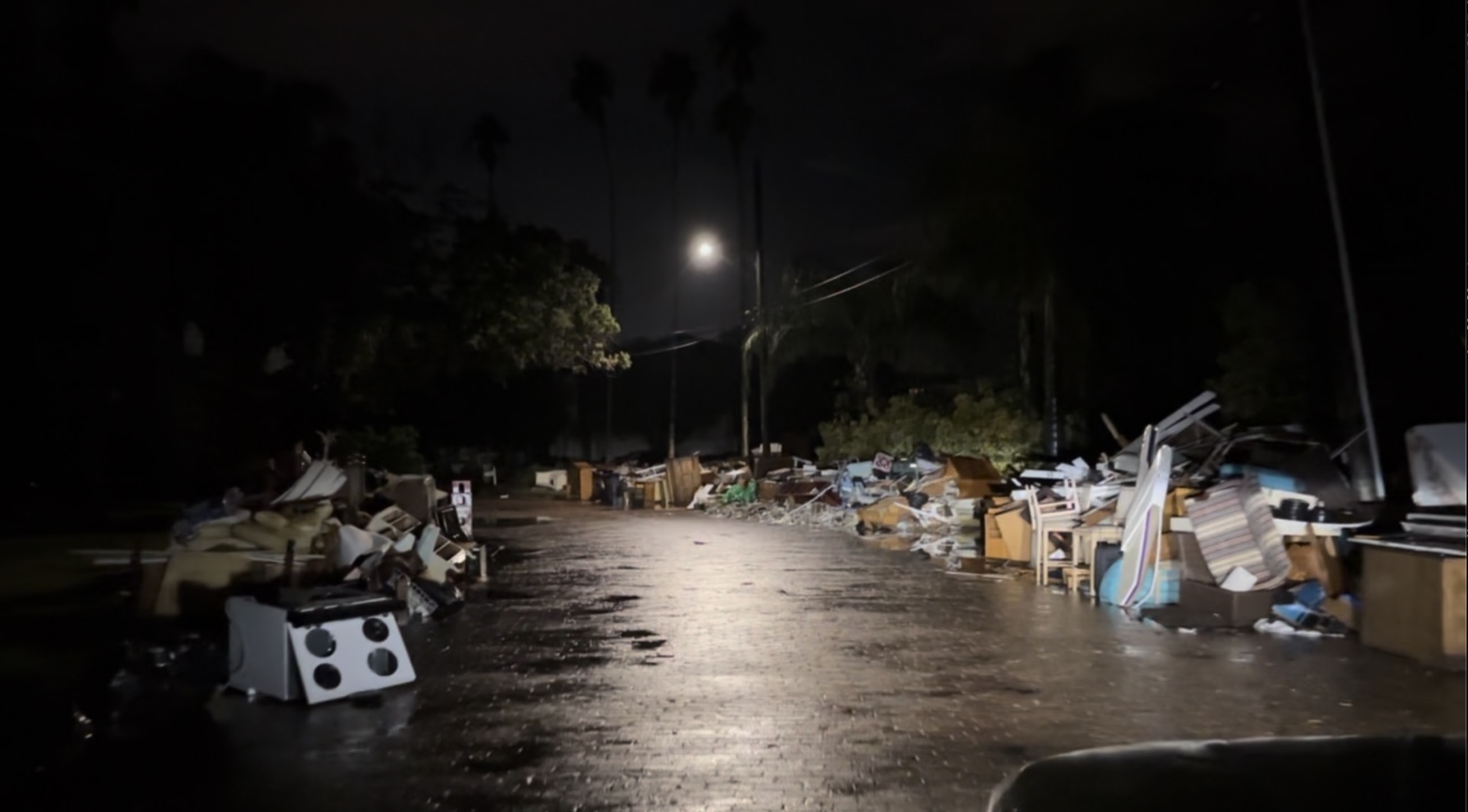
You don’t forget driving down your own streets and not recognizing them. Every curb was a wall of debris. Refrigerators, couches, drywall, somebody’s whole kitchen, all of it dragged out and stacked in the dark, waiting for a truck that wouldn’t come for weeks.
Why I started with the restaurants
Here’s the thing nobody tells you about a disaster. The problem isn’t only the water. It’s that the second the water leaves, everybody still needs to eat. The cleanup crews, the first responders, the second responders (like me), the families with no power and a fridge full of spoiled food. And the places that normally feed them are gutted too.
Kings Pizza & Grill on Coronado Drive is on the beach and centrally located to many homes that were destroyed. Helene wiped it out too. Everything lost. They threw away around twenty thousand dollars of food and stacked their tables and equipment on the curb, same as every other business on that island. I drove past more ovens sitting in the street than I could count. I deployed there because pizza is fast, easy to cook and packs a lot of calories (don’t ask me how I know).
If you can get a kitchen like that cooking again, you don’t just save one business. You give a whole block somewhere to get a hot meal. So that’s where I put my energy first, helping Kings fire the ovens back up so they could feed people again. The owner told me to come anytime and he’d feed me. I never took him up on the offer. I actually feel a bit bad about that because when you help someone, they feel obligated to exchange with you and WANT to say thank you. I might take him up on the offer one day.
A Florida hurricane essentials checklist
Once the power’s out, it’s hot, soupy with humidity, and dead still with no airflow. Here’s what actually matters in those first days, whether you’re stocking up for yourself or loading a truck for someone else.
- Water, and more than you think. The heat and humidity dehydrate you fast with no AC.
- Electrolyte mix or sports drinks. Plain water isn’t enough when you’re sweating all day.
- No-cook protein. Jerky, protein bars, canned tuna, peanut butter. No fridge, no stove.
- Baby wipes and body wipes. No running water means no shower, and they head off heat rash.
- Soap and hand sanitizer. Floodwater is filthy and infection spreads fast in the heat.
- Toilet paper. First thing off the shelves, and you’ll be glad you stocked up.
- Battery fans and spare batteries. No airflow plus Florida heat makes sleep brutal.
- Bug spray. Standing water breeds mosquitoes within a couple of days.
- A power bank. Keep a phone alive when the grid is down for days.
- Work gloves and contractor bags. Debris is full of nails and broken glass.
- Sunscreen. You’ll be out in the sun cleaning up from dawn on.
- Cash. Card readers don’t work when the power and internet are out.
You can do this too
I’m not writing this to pat myself on the back. I’m writing it because the bar to help is way lower than people think. You don’t need a boat or a chainsaw or a relief organization. You need to find the one thing that, once it’s working again, helps a hundred other people. For me, that was a pizza oven.
Find your pizza oven. Your neighbors will remember it a lot longer than any vacation you ever take.
One little thing that’s worthy of mention here: help is ALWAYS needed and appreciated, especially during a disaster. But believe it or not, disorganized help can end up being quite unhelpful and cause more work and chaos. If you want to help, two of the best places to seek out are local churches and grocery stores. Contact them and ask what they need. Churches and grocery stores are two of the CORE points in communities. They nearly always organize, but they also often need help, particularly with logistics and administration. If you’re good at that, sometimes that’s more valuable than the diapers that someone is dropping off. Because if the diapers get loaded into a truck that’s going to a dog & cat sanctuary that needs help, those diapers have been misdirected.